
Unraveling the psychology behind high-stakes gambling decisions
The Allure of High-Stakes Gambling
High-stakes gambling attracts individuals with its promise of significant financial rewards and adrenaline-fueled excitement. The thrill of risking substantial amounts can create a heightened state of arousal, leading players to chase the elusive big win. This allure often intertwines with the emotional highs and lows that come with gambling, making it a psychologically complex activity. In this context, some players may turn to real money casinos in hopes of maximizing their winnings.
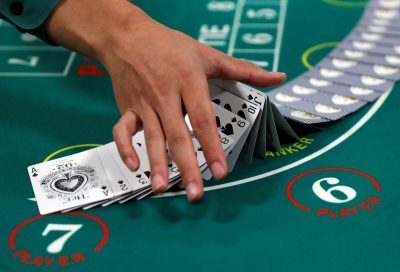
Moreover, the environment of high-stakes gambling, often characterized by luxurious settings and the presence of wealth, can amplify feelings of prestige and desirability. Players may perceive participation as a status symbol, enhancing their self-image. This blend of excitement and social validation can create a powerful incentive, driving individuals to make decisions that may defy logic.
The Role of Cognitive Biases
Cognitive biases significantly influence decision-making in high-stakes gambling. Players often fall victim to the illusion of control, believing they can influence outcomes despite the inherent randomness of games of chance. This misguided belief can lead to overconfidence, as individuals wager more than they should, thinking they possess special skills or insights.
Additionally, the gambler’s fallacy—a belief that past events can influence future outcomes—can distort judgment. For instance, after a series of losses, a gambler might feel “due” for a win, prompting them to increase their bets. Such biases underscore the irrational aspects of gambling behavior, where emotional impulses often override logical reasoning.
The Impact of Stress and Emotion
High-stakes gambling is inherently tied to intense emotions, which can greatly affect decision-making. Stress from potential financial loss can cloud judgment, leading to impulsive choices. In contrast, moments of success can lead to euphoric highs, reinforcing the desire to continue playing. This emotional rollercoaster can foster an addictive cycle where players chase after the next big win.
Furthermore, external stressors unrelated to gambling can also impact decisions at the table. Individuals may gamble to escape from stress or negative emotions, seeking solace in the thrill of the game. This coping mechanism can lead to a pattern of behavior that becomes difficult to break, entrenching individuals further into the world of high-stakes gambling.
The Influence of Social Factors
Social dynamics play a crucial role in high-stakes gambling decisions. Peer pressure can significantly impact an individual’s willingness to engage in high-risk activities. The desire to impress others or fit into a group can lead to decisions that prioritize social acceptance over rational financial considerations.
Moreover, the communal atmosphere in casinos, filled with cheering crowds and shared victories, can amplify the experience. This social reinforcement can lead to increased betting amounts and heightened risk-taking behavior. Gamblers may not only be motivated by personal gain but also by the thrill of shared experiences, further complicating their decision-making processes.

User Safety and Responsible Gaming
As the online gambling landscape evolves, user safety remains paramount. Many platforms prioritize transparency and security, providing users with clear explanations about responsible gaming practices. Understanding the psychological factors behind gambling decisions can empower players to make informed choices.
Encouraging responsible gaming involves recognizing the signs of problematic behavior and promoting strategies for safe gambling. By fostering an environment that values user safety and mental well-being, platforms can help mitigate the risks associated with high-stakes gambling. Ultimately, the goal is to create a space where individuals can enjoy gaming responsibly while prioritizing their mental health and financial security.